Focus
Eliminate noise and competing priorities
Alignment
Connect goals to daily actions
Accountability
Make execution visible and trackable
Consistency
Repeatable system, not bursts of motivation
Where Children’s Minds Dictate the Course

What is PLAYchitecture?
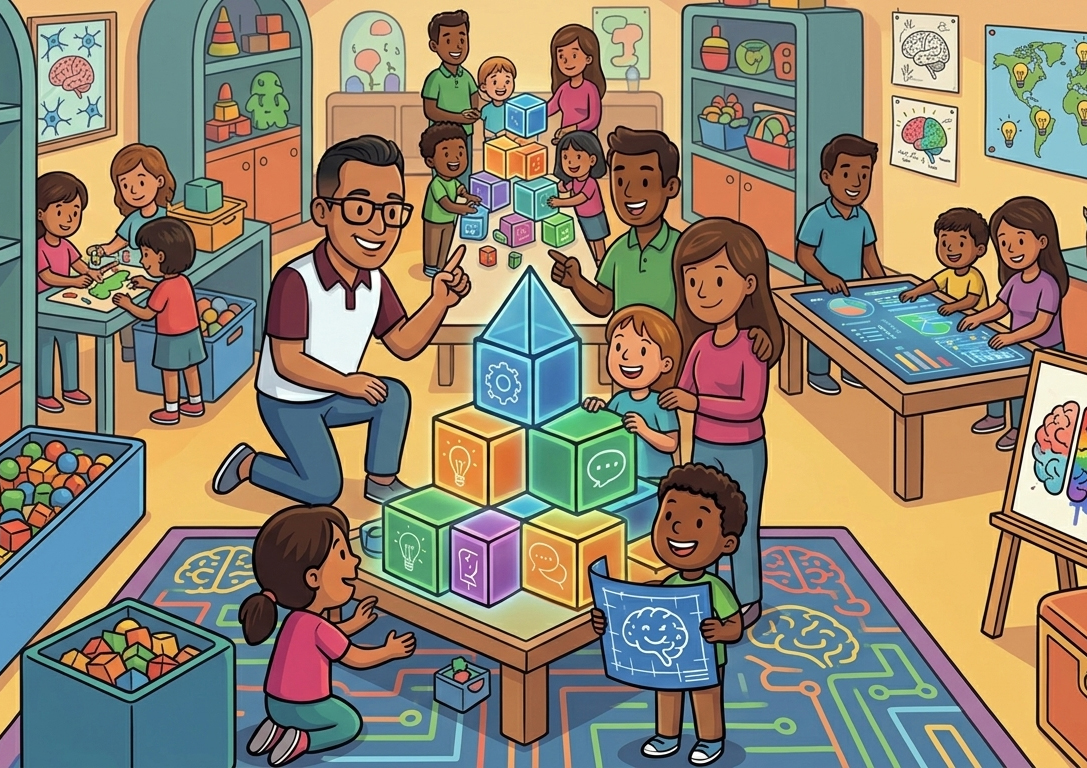
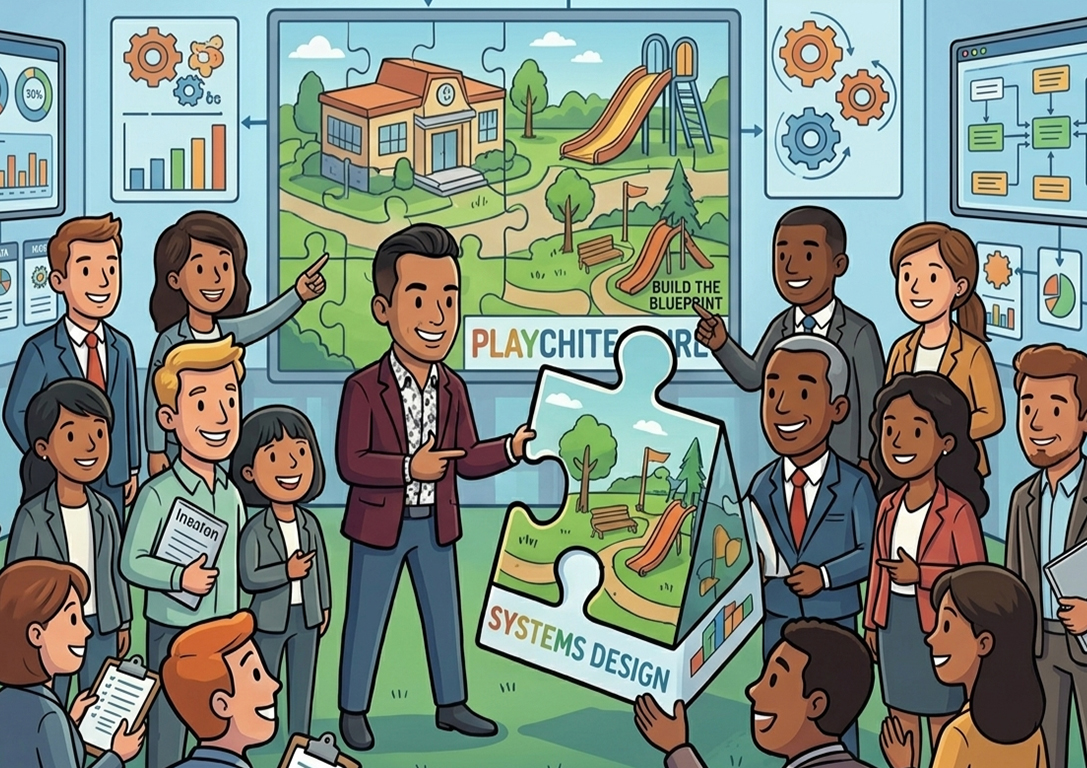
PLAYchitecture is a comprehensive, research-informed framework that conceptualizes play as the primary mechanism through which the architecture of the developing mind is intentionally designed, constructed, and refined over time. Rooted in interdisciplinary foundations—including neuroscience, early childhood development, environmental design, and educational theory-PLAYchitecture positions the child as an active constructor of knowledge whose cognitive, emotional, social, and physical capacities emerge through dynamic interactions with people, materials, and spaces.

Our Services
Bring PLAYchitecture to Your Classroom and Explore the Framework


Why It Matters
Our Services
Bring PLAYchitecture to Your Classroom and Explore the Framework

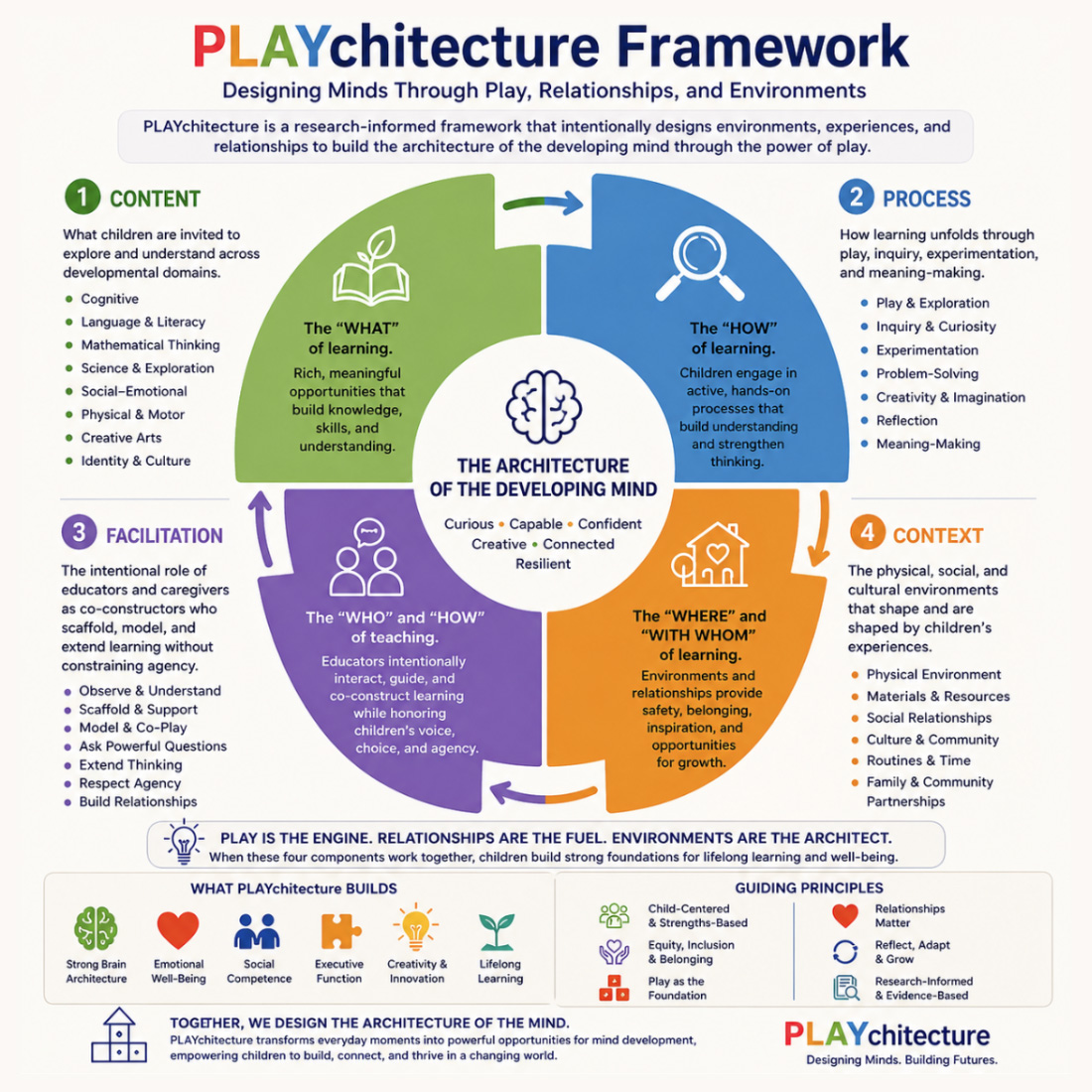
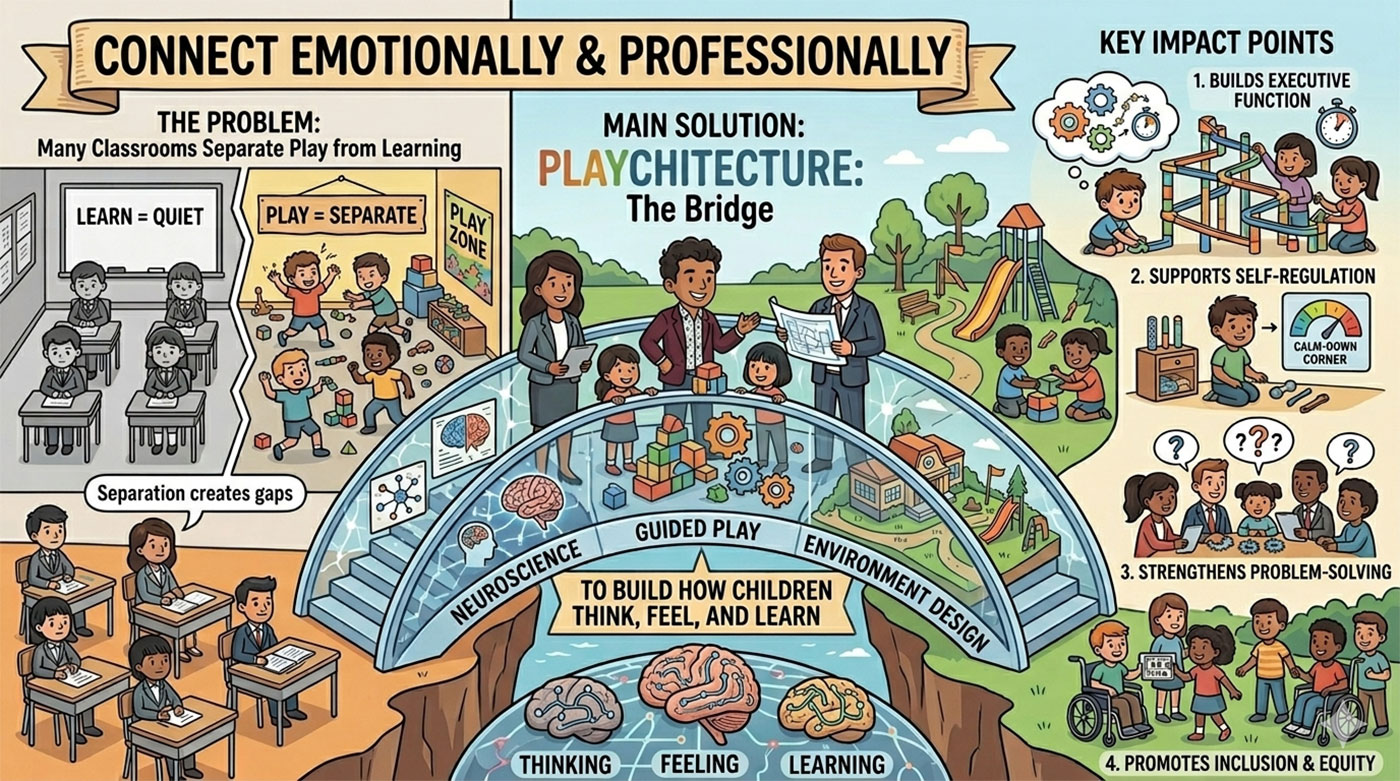
At the core of the framework is the understanding that development is not incidental but can be thoughtfully engineered through four interrelated components: content (what children are invited to explore and understand across developmental domains), process (how learning unfolds through play, inquiry, experimentation, and meaning-making), facilitation (the intentional role of educators and caregivers as co-constructors who scaffold, model, and extend learning without constraining agency), and context (the physical, social, and cultural environments that shape and are shaped by children’s experiences). PLAYchitecture emphasizes that environments function as active “architects” of the mind, where elements such as spatial layout, sensory qualities, loose parts, and relational dynamics influence neural pathways, executive function, selfregulation, and identity formation. Through guided play—situated between free exploration and direct instruction—the framework promotes a balance of structure and flexibility, enabling children to engage in problem-solving, creativity, collaboration, and reflective thinking. Additionally, PLAYchitecture integrates principles of equity, inclusion, and cultural responsiveness, recognizing that meaningful learning emerges when children see their identities and experiences reflected in their environments and interactions. By aligning theory with practice, the framework offers educators, families, and communities a powerful lens and set of tools to design learning ecosystems that are developmentally appropriate, emotionally supportive, and intellectually stimulating, ultimately transforming everyday play into a deliberate process of “mind engineering” that supports lifelong learning, resilience, and human potential.